


Kumari Pratima first encountered menstruation when she was 6, but the whispers around it began a year earlier when a friend confided in her using a curious euphemism, “Mamaji aa gaye hain” (Uncle has arrived). At the time, this coded language was the only way young girls could speak about their periods. When Pratima herself began menstruating and informed a female teacher, she was permitted to leave school early. However, the next day, a male teacher jokingly asked her for sweets, using the same phrase, thinking it referred to an actual uncle. Only then did Pratima realise the extent of secrecy and misinformation that cloaked such a crucial part of a young girl’s development.

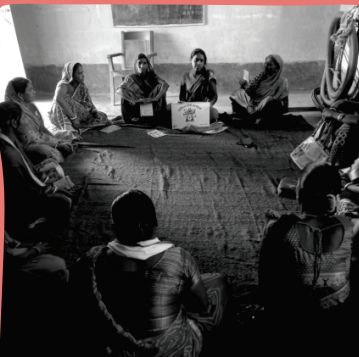
Now a confident young woman, Pratima has become an advocate for menstrual health and digital education. With prior experience in menstrual health awareness campaigns, she became a vital part of DEF’s Digital Didi initiative, where she used her knowledge and leadership skills to mobilise over 100 women. Her contribution did not end there; she actively promoted the LMS Chatbot, a digital learning platform, and ensured that women not only enrolled but also understood key concepts around digital and financial literacy.
Her efforts went beyond her village, reaching neighbouring communities and bringing more women into the fold of awareness and empowerment. Pratima stood out as one of the most active facilitators in introducing women and girls to the chatbot-based curriculum. However, she did face challenges, particularly the lack of personal digital devices, a reminder of the persistent last-mile issues in digital access, even in 2023.

Through her work, Pratima has broken taboos, challenged stigma, and educated women on topics once shrouded in silence. Her journey is a testament to how grassroots initiatives like Digital Didi can transform not only individual lives but also spark collective change in rural communities by combining menstrual awareness with digital literacy.