


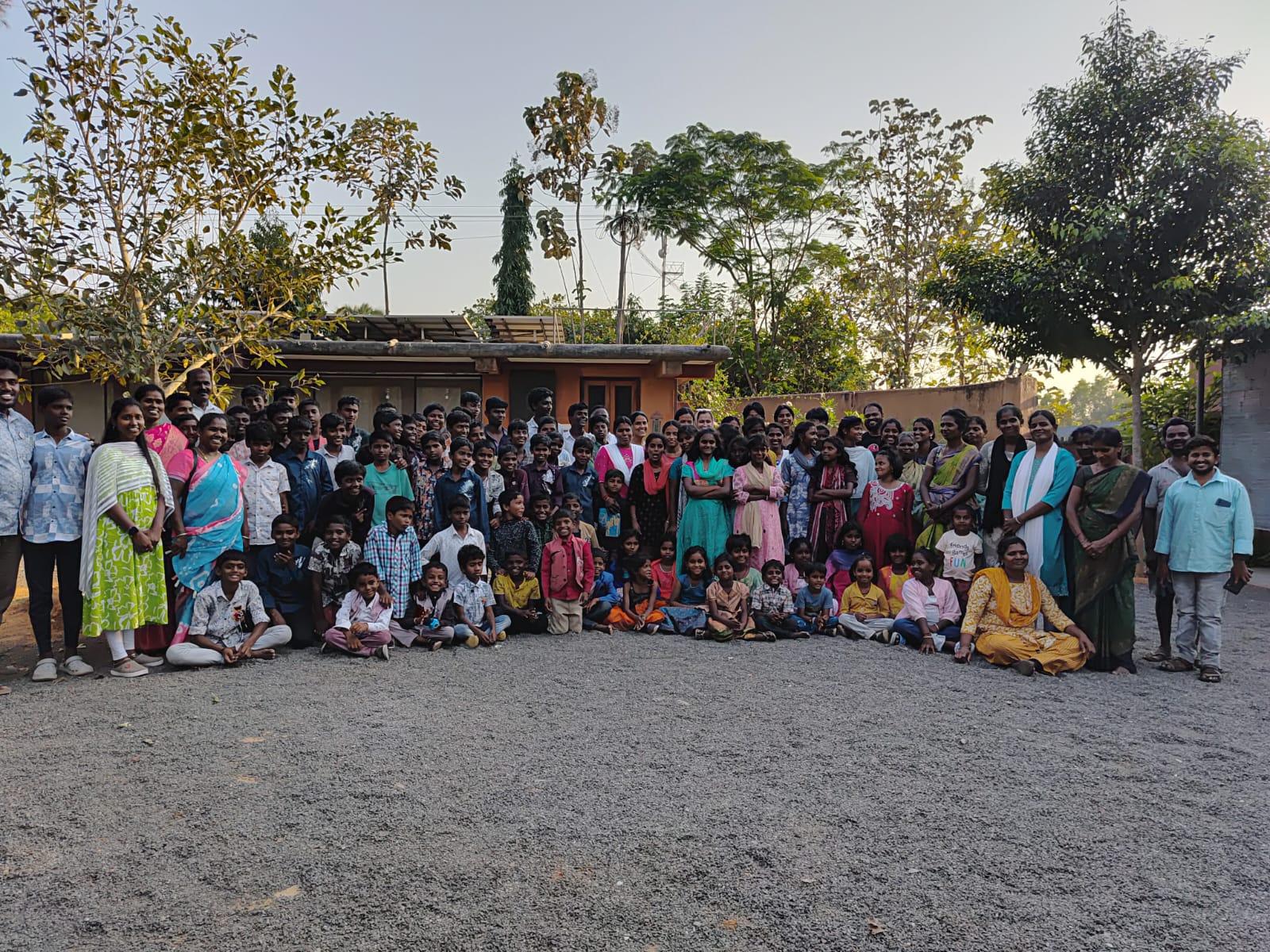
Museum of Digital Society | 5th March 2026
A group of 72 students from DGSEA (Duraisamy Generous Social Education Association), Chengalpattu District, Tamil Nadu, visited the Museum of Digital Society (MoDS) on 5th March 2026 as part of an educational tour. Accompanied by 17 teachers, the visit was jointly facilitated by DEF’s (Digital Empowerment Foundation)- MoDS Team and the teachers of DGSEA themselves. The tour revolved around three interconnected themes – E-waste Recycling – Media Information Literacy, and The Museum Tour – each designed to offer students a meaningful and hands-on learning experience.
The workshop was built around the idea that learning is most effective when it connects to the world students already inhabit. The activities were designed with four broad goals in mind — building environmental awareness, encouraging self-reflection, developing digital media literacy, and introducing students to the practical importance of recycling and reuse. Rather than delivering these as lessons, each activity was crafted so that students could arrive at these understandings through their own participation and observation.
Activities
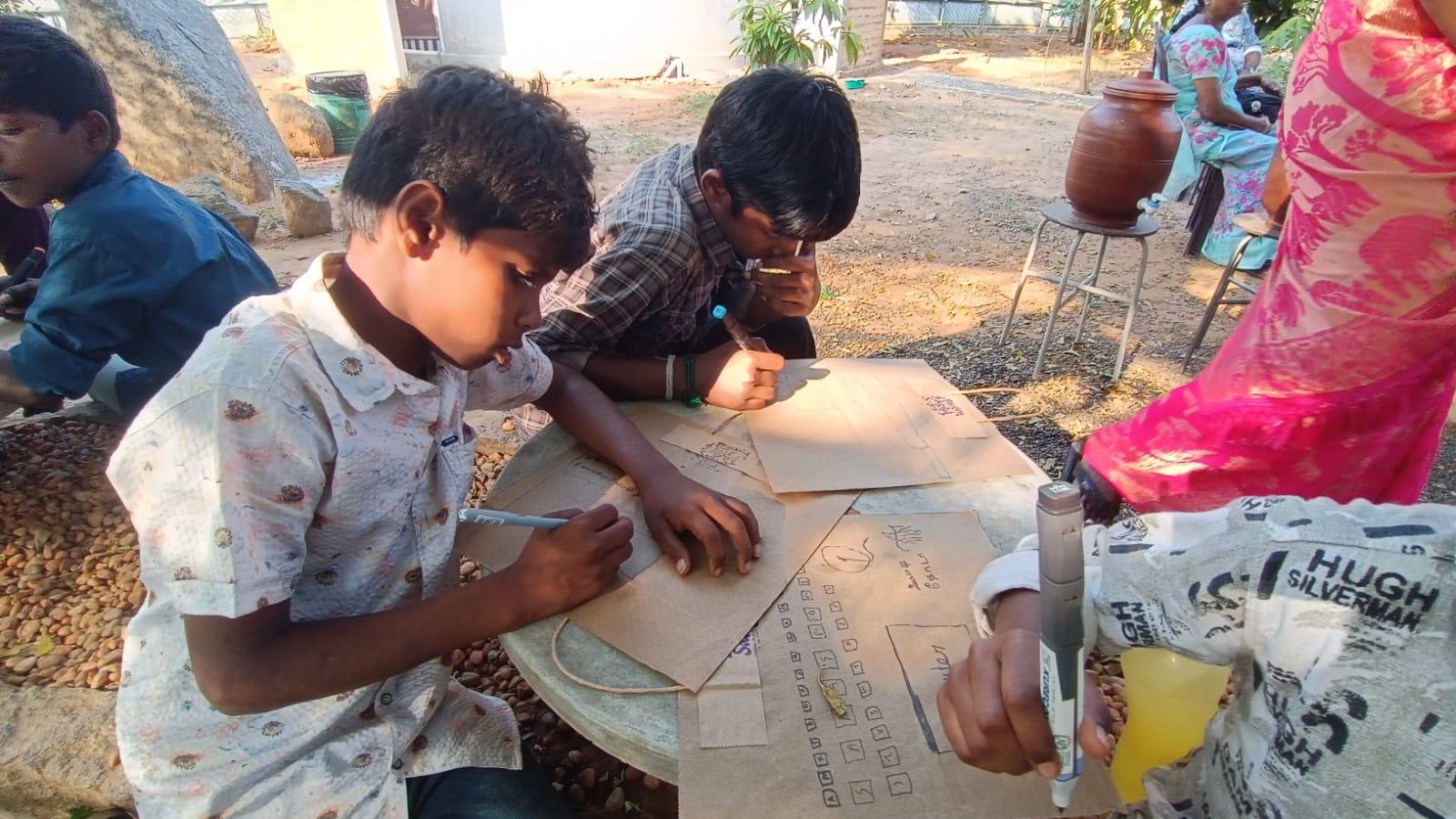
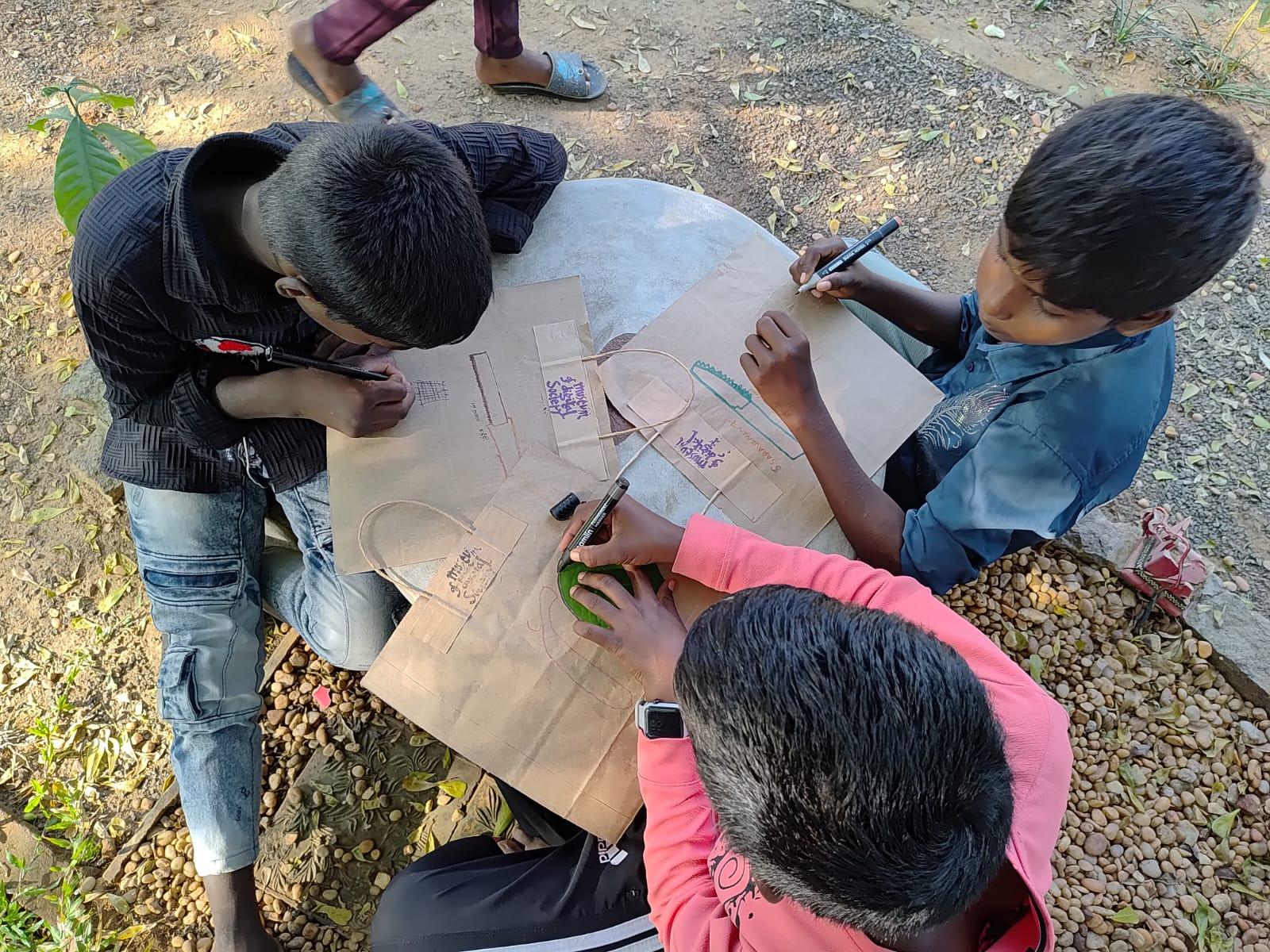
The workshop began with a creative attendance activity that set the tone for the rest of the day. Instead of a conventional roll call, each student was handed a postcard made from reused paper bags. Students were asked to write their names, villages, ambitions, and hobbies on the postcards. The exercise was bilingual, allowing students to express themselves in either Tamil or English. Given that the school’s medium of instruction is Tamil, it was particularly encouraging to see a significant number of students choose to write in English, reflecting a quiet confidence in stepping beyond their comfort zone.
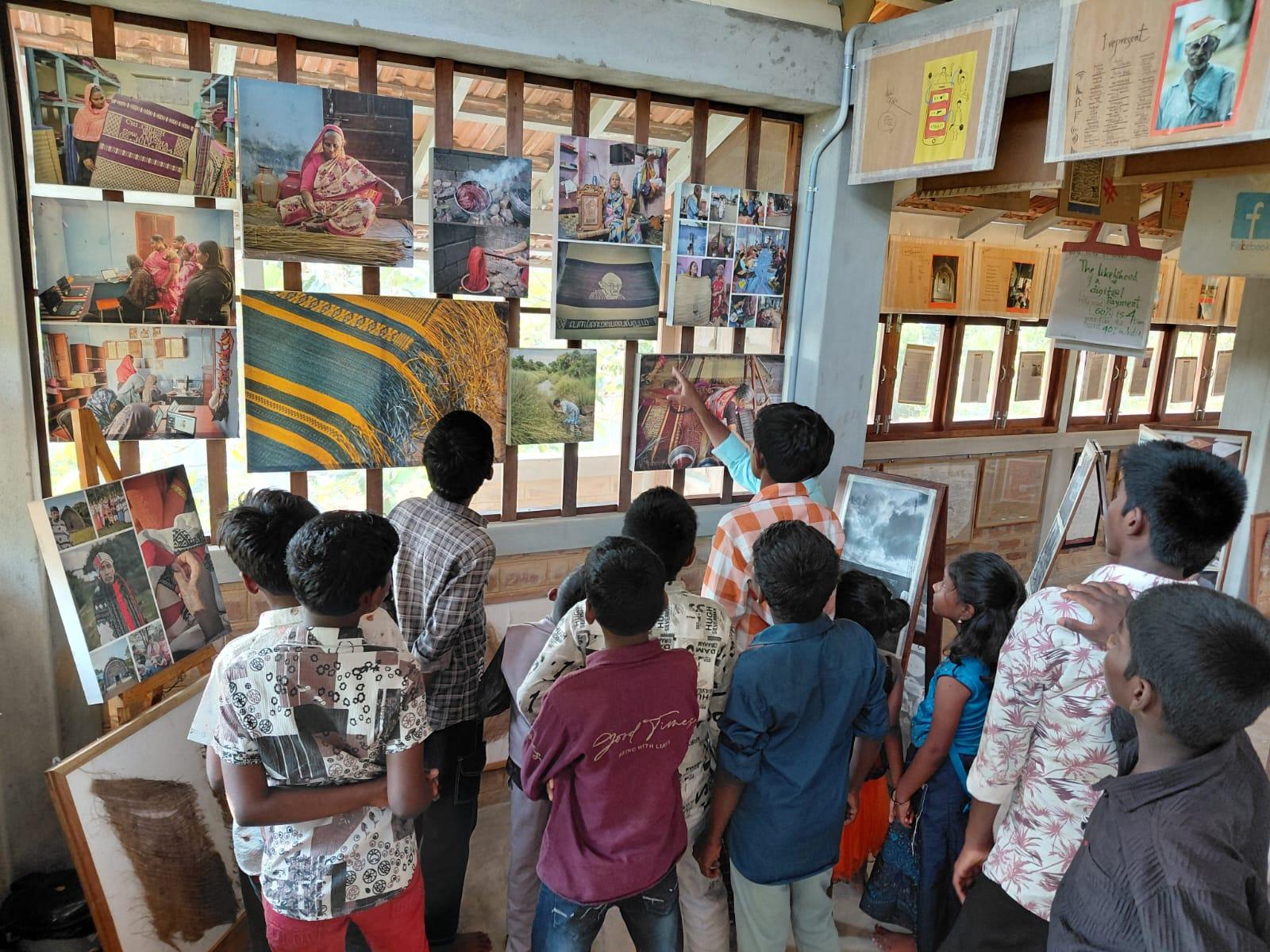
Following the attendance activity, the groups were guided by facilitators to their respective stations, which ran in parallel. Groups 1 and 2 were taken on the Museum Tour, where they explored exhibits tracing the story of the digital world and the growing influence of AI in society, the E-waste recycled pieces, and the repurposed bags.
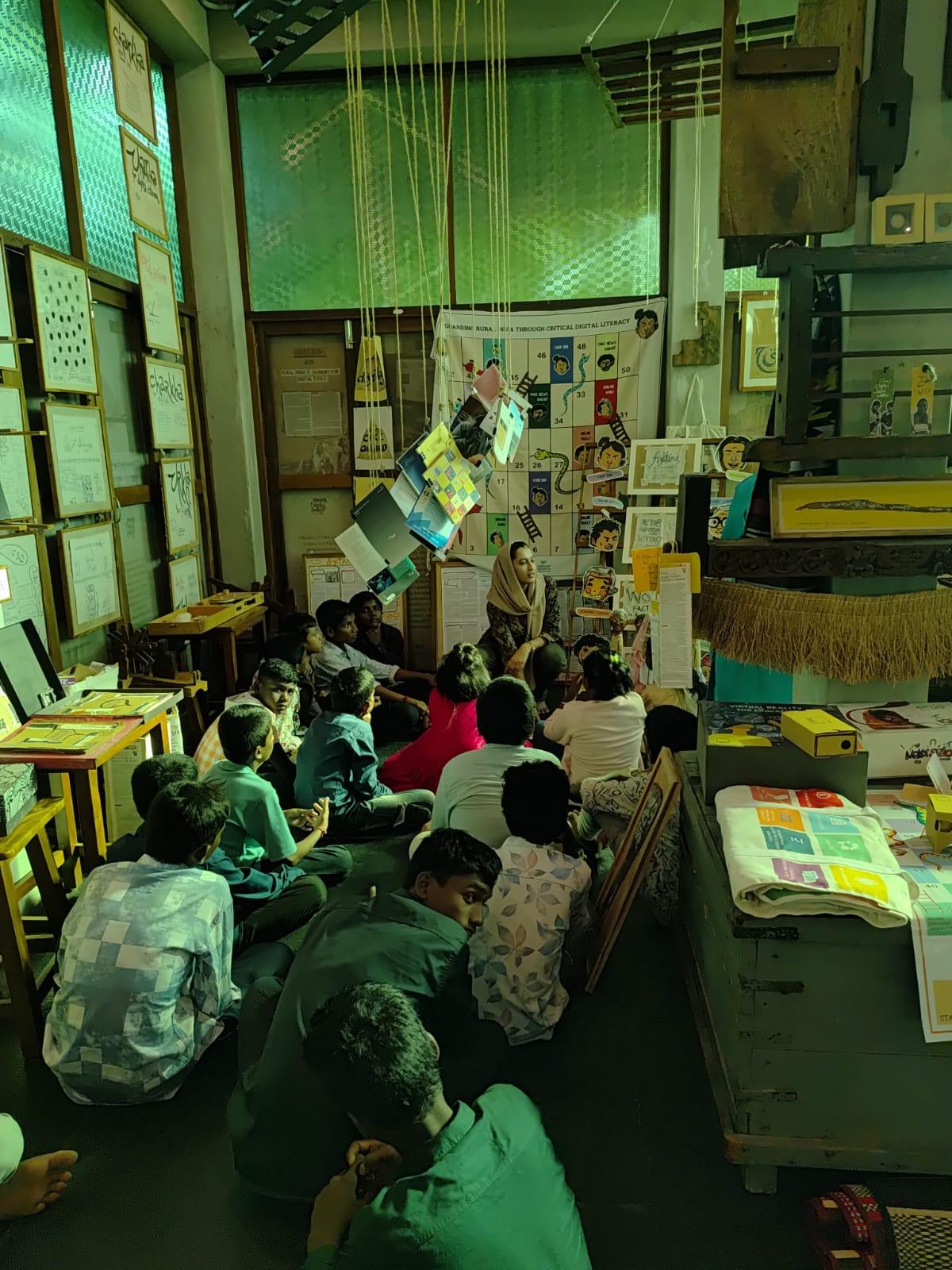
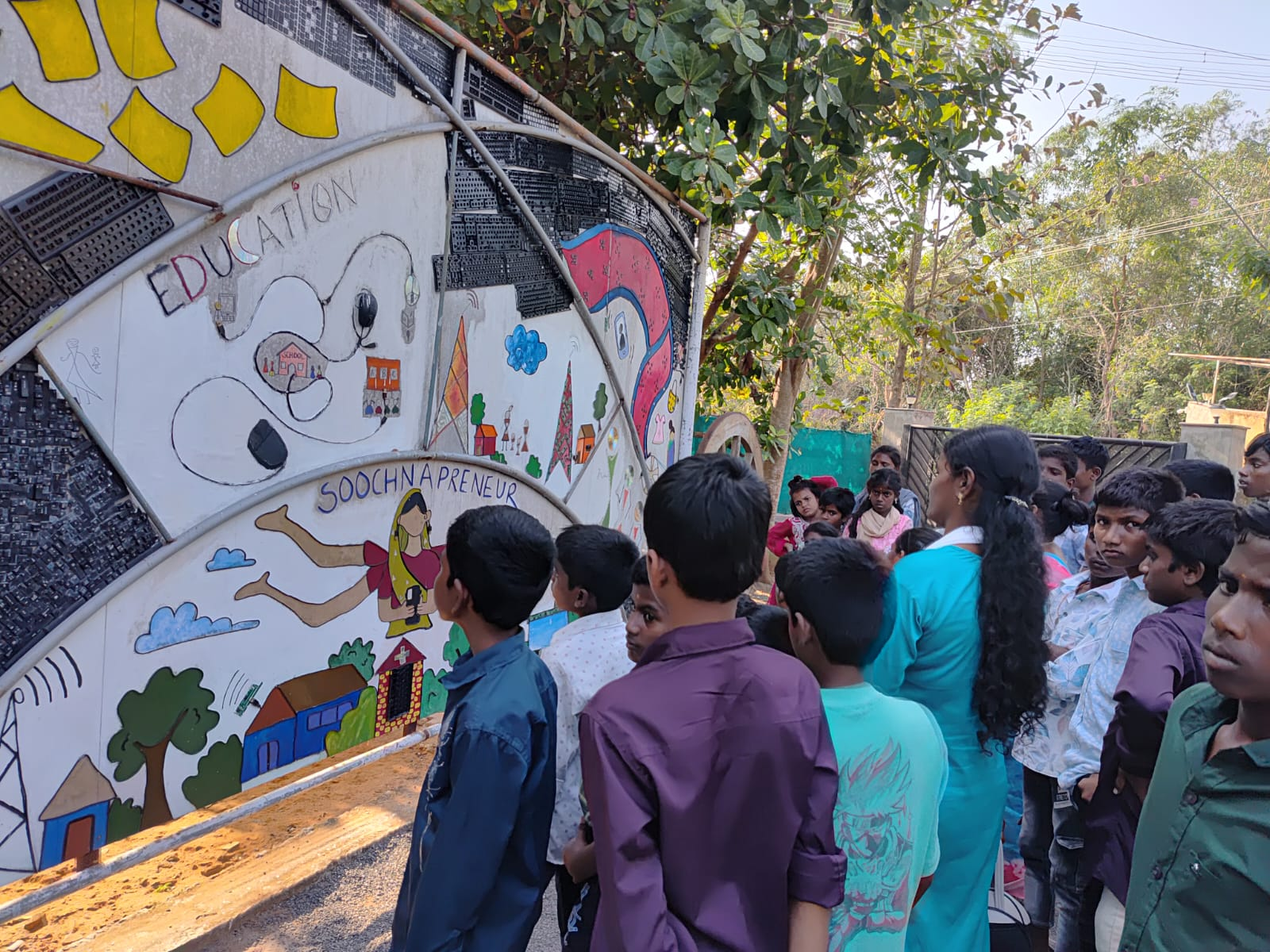
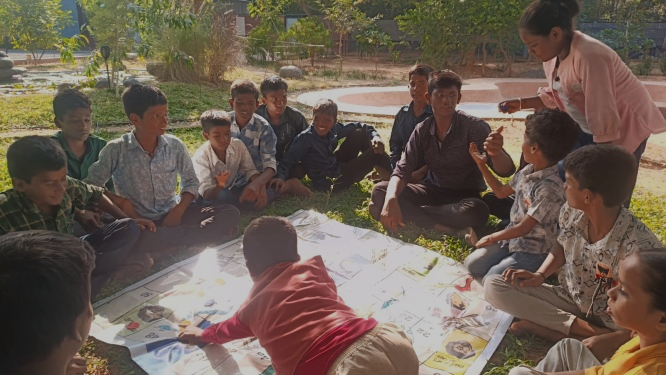
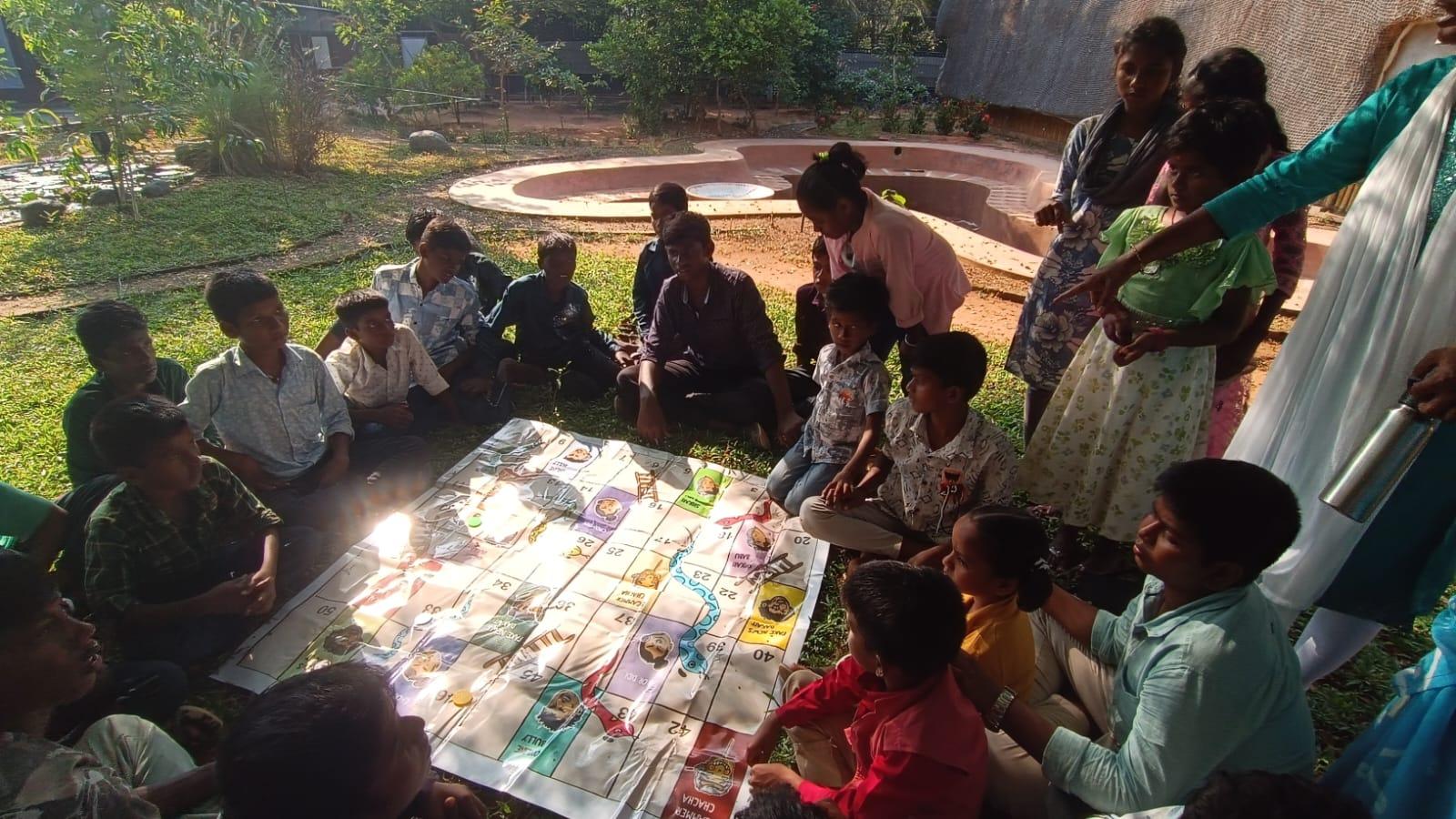
Groups 3 and 4 were stationed at the Mayil Campus for the Media Information Literacy session, where they engaged with the MIL Toolkit — a resource designed to educate participants on the risks that come with digital life, including online fraud, misinformation, and the importance of thinking critically before trusting what one encounters on the internet. The MIL kit was a practical demonstration with games like Snakes and Ladders.
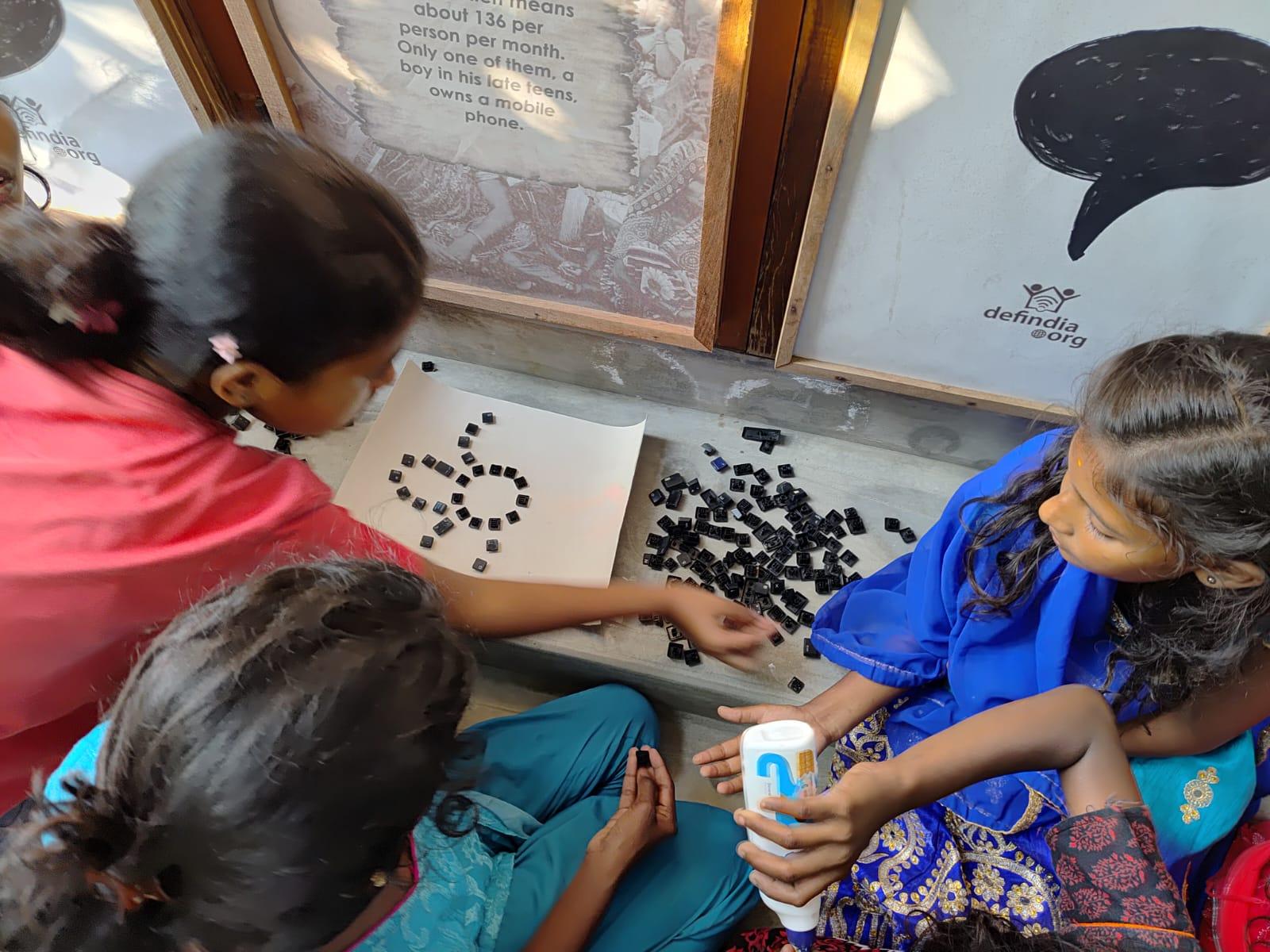
Groups 5 and 6, moderated by Deepsthal students, our regular participants of the e-waste workshop held every Saturday at the Museum, participated in a hands-on e-waste recycling activity that brought the environmental consequences of discarded electronics into sharp focus and introduced students to practical recycling and responsible disposal methods. Deepsthal is an educational institution established by the Paayra Foundation and operates under the NIOS (National Institute of Open Schooling) framework. Rooted in the belief that education extends beyond the classroom, Deepsthal champions experiential and activity-based learning, nurturing in its students a spirit of curiosity, innovation, and creative problem-solving.
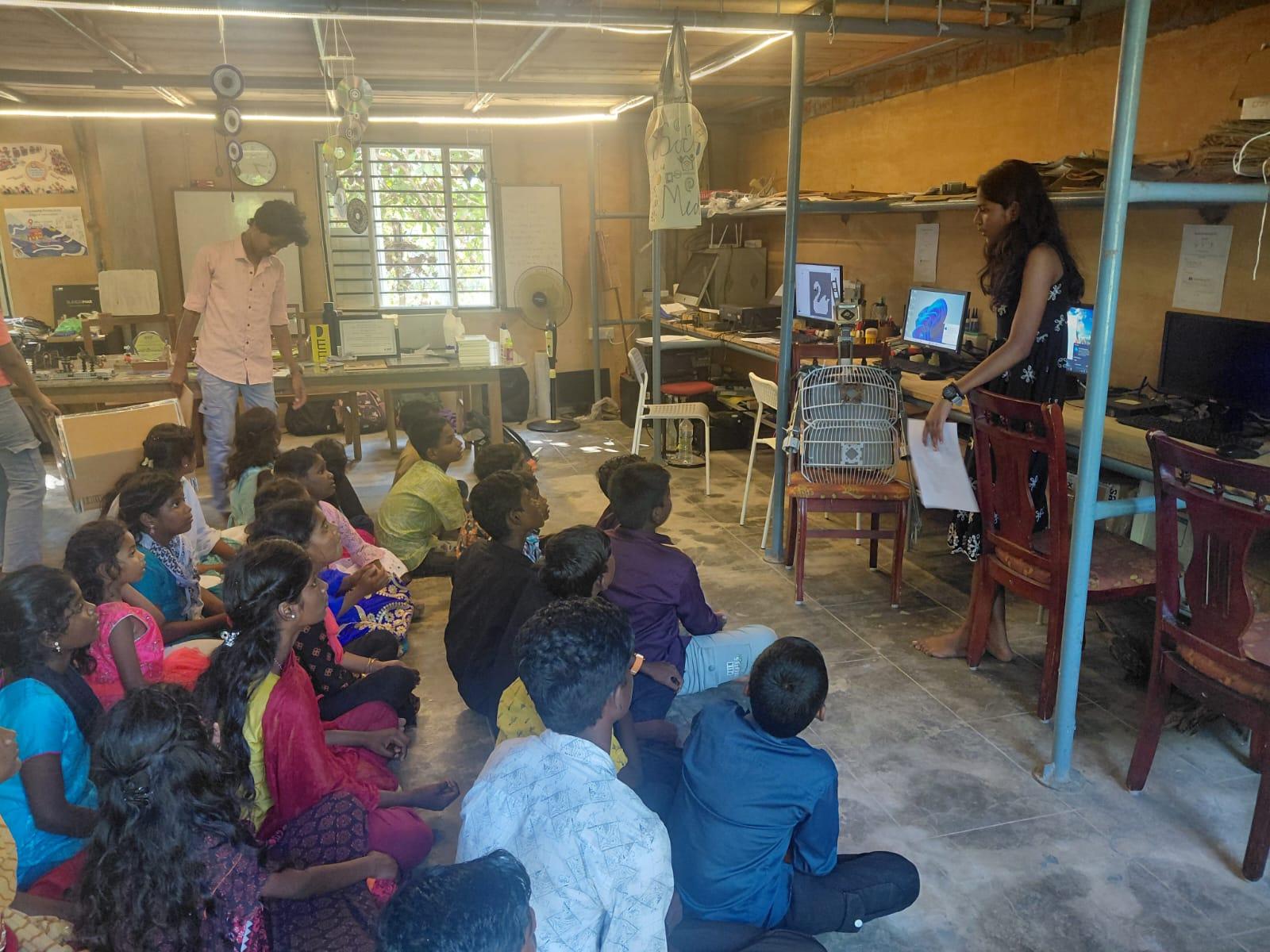
After completing the museum tour, students were invited to write or sketch their reflections — capturing in their own words or images what they had noticed, absorbed, and begun to understand. This final exercise served as both a creative outlet and a way for students to translate what they had seen and felt into something more personal and lasting.
The workshop at the Museum of Digital Society gave DGSEA students a learning experience that was as thoughtful as it was engaging. From writing bilingual postcards on recycled paper to navigating the realities of digital fraud and getting their hands into e-waste recycling, the students engaged as active participants rather than passive observers. The collaborative spirit between MODS, Deepsthal, and the DGSEA teaching staff created an environment where curiosity was welcomed, and awareness was built not through instruction alone, but through experience.