



Are Children Truly ‘Social’ on Social Media, or Just Alone Together?
Field Assessment: SoochnaPreneur, Smartpur & Digital Didi Initiatives
Alwar District, Rajasthan | Nuh District, Haryana
Field Assessment: February 4, 2026
THE PARADOX OF DIGITAL PROGRESS
The 21st century’s digital revolution has created a profound paradox. While urban centers debate on artificial intelligence ethics, virtues, and algorithmic governance, rural geographies struggle with basic digital access. Urban populations navigate sophisticated digital ecosystems, yet millions in rural India encounter computers for the first time. This digital divide represents not merely a technological gap but a fundamental inequality in opportunity, information access, and participation.
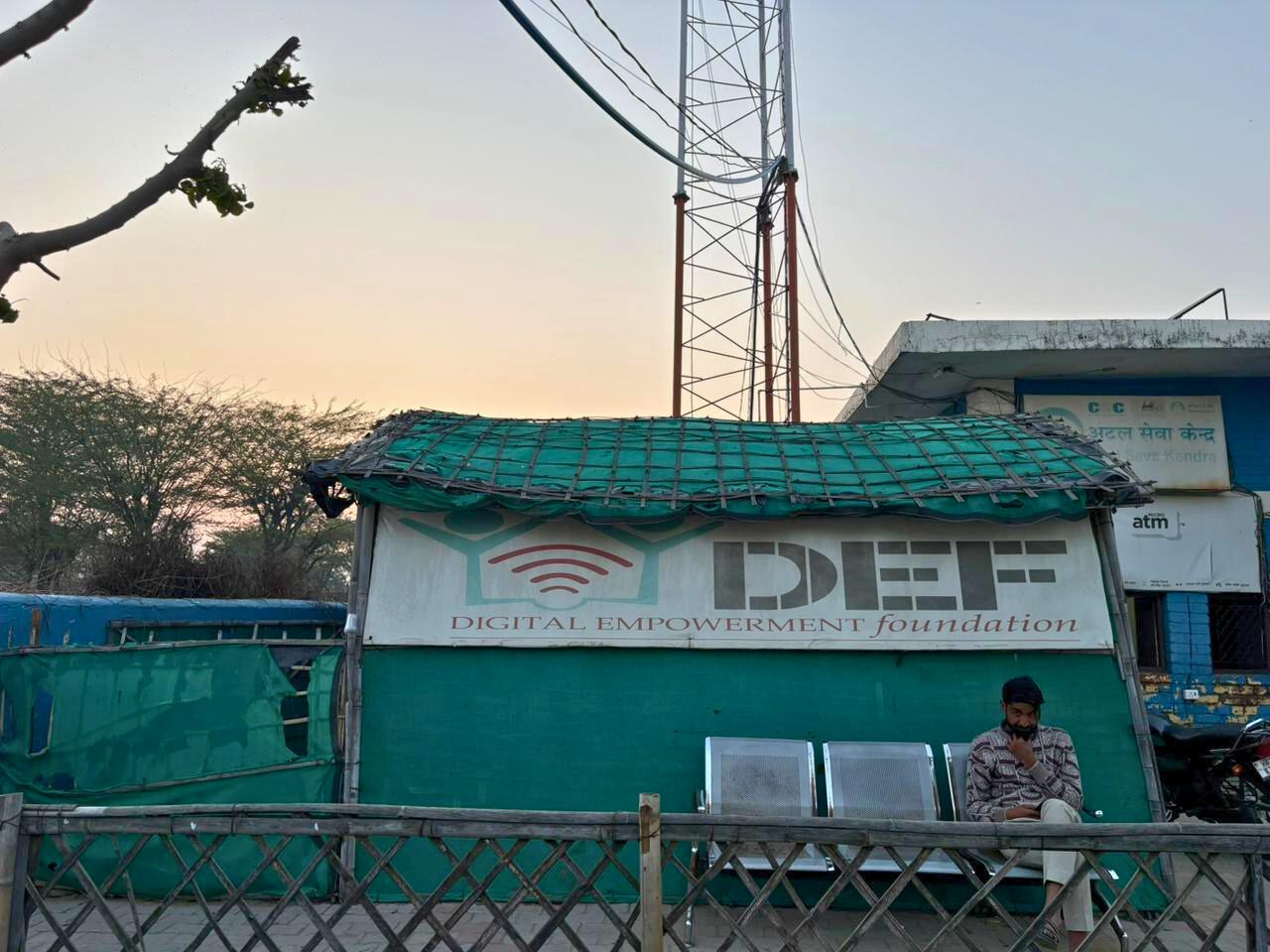
This assessment documents initiatives by the Digital Empowerment Foundation (DEF) at Alwar district in Rajasthan and Nuh district in Haryana. These interventions systematically democratize digital access, emphasizing marginalized populations and women’s empowerment. Significantly, while contemporary discourse addresses digital literacy and gender-based digital divides, these communities simultaneously grapple with fundamental literacy challenges and entrenched gender inequality, as well as multiple layers of exclusion, requiring comprehensive, culturally responsive solutions.
ALWAR, RAJASTHAN: THE SOOCHNAPRENEUR MODEL
Case Study: Poonam’s Journey to Financial Independence
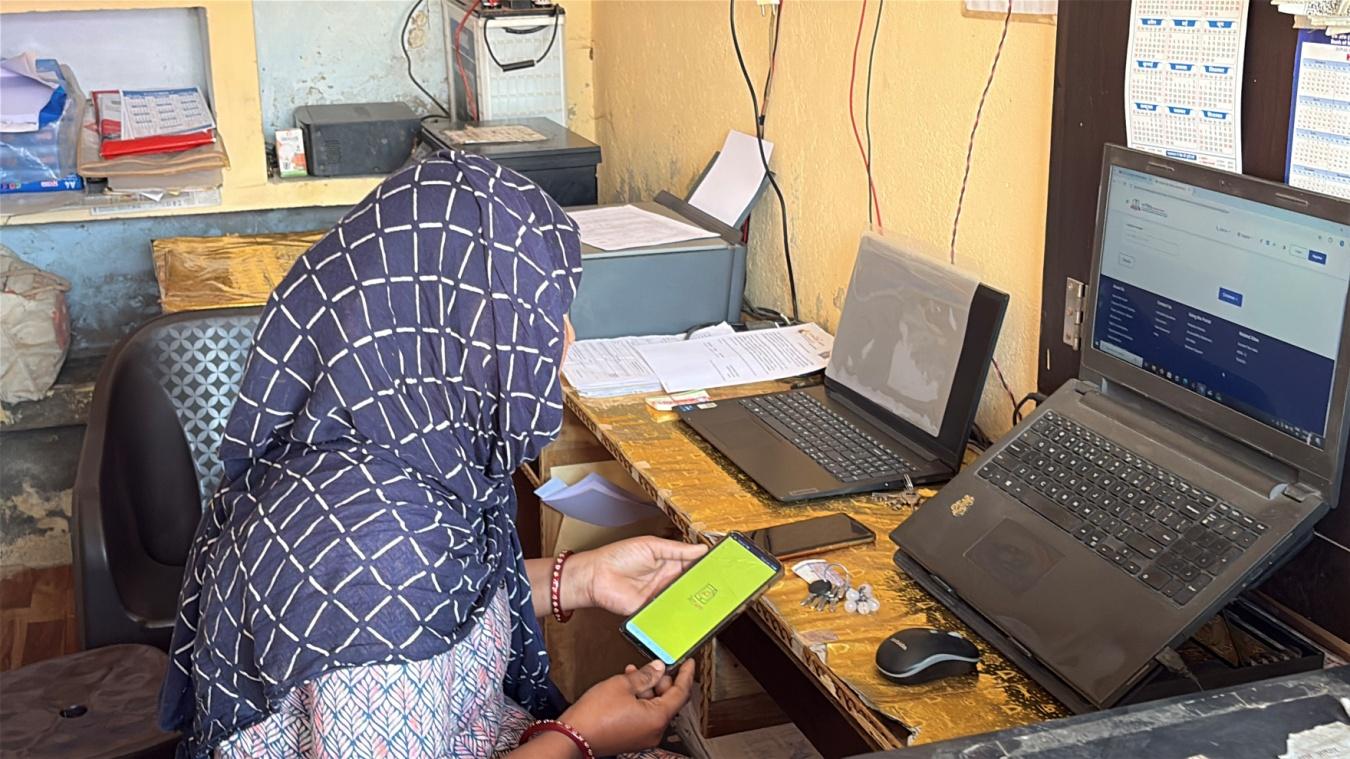
Poonam, a SoochnaPreneur in Alwar district, exemplifies the transformative potential of community-embedded digital entrepreneurship. Through her SoochnaPreneur center, she has achieved remarkable financial independence, contributing substantially to household income. Her earnings enabled collaborative investment with her husband in constructing a new home, tangible evidence of economic empowerment translating into improved living standards.
Beyond material gains, Poonam has accumulated significant social capital as a trusted community intermediary. Her center receives approximately 150 daily visitors, reflecting substantial community dependence. Her gender offers distinct advantages in service delivery: village women feel comfortable approaching her for assistance, fostering a culturally appropriate safe space that builds trust among female beneficiaries in community settings.
Poonam’s work extends beyond administrative transactions. She collaborates with ASHA (Accredited Social Health Activist) workers and ANM (Auxiliary Nurse Midwife) personnel in government health programs, providing digital facilitation for health documentation and scheme enrollment, demonstrating how digital intermediaries can strengthen public health infrastructure.
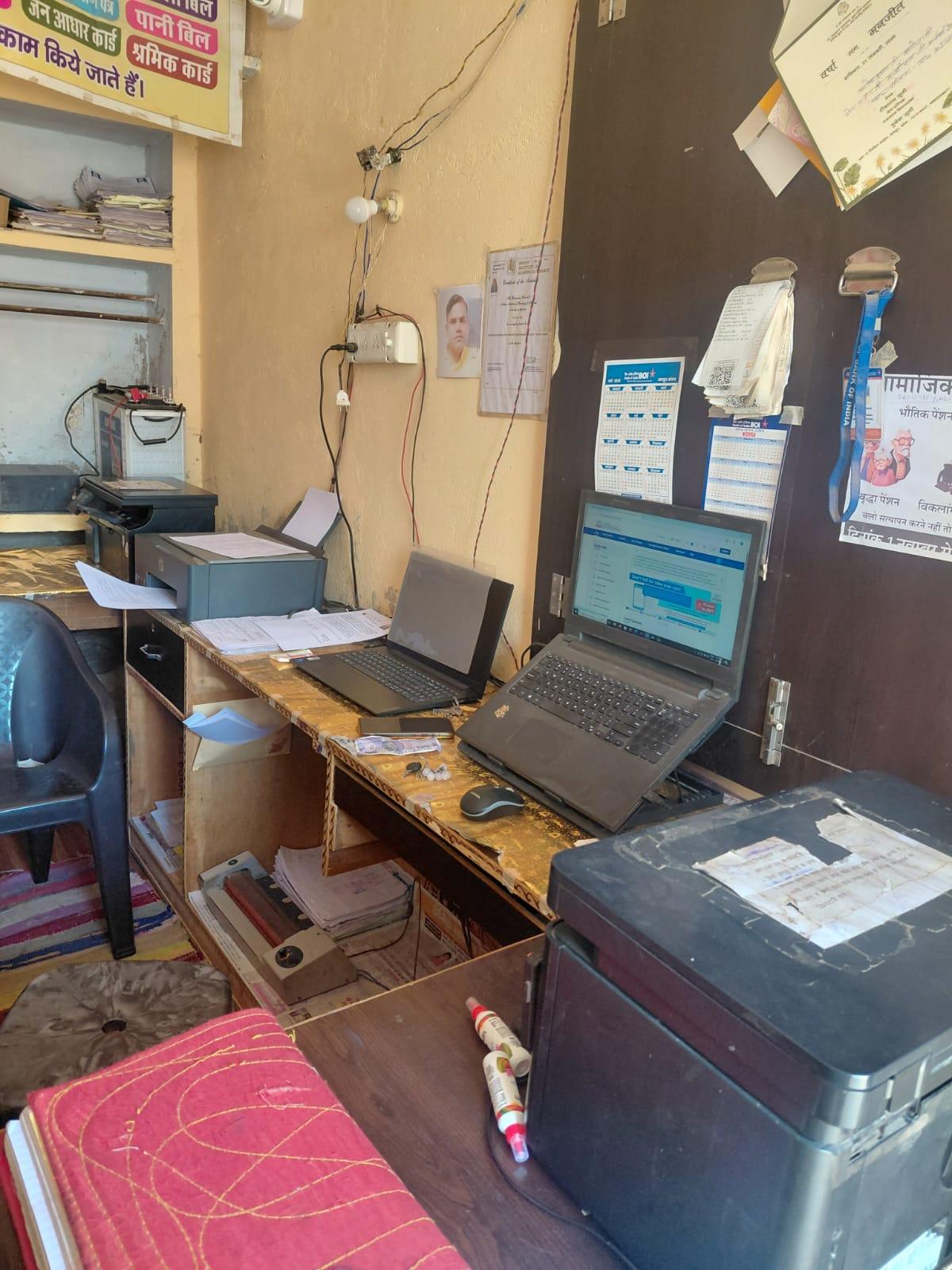
One of the most evident markers of Poonam’s success is the financial independence she has helped women achieve. Through her efforts, many women have gained access to government schemes and low-interest loans, enabling them to pursue both business ventures and meet their domestic needs.
Menstruation, still being a taboo in rural society, where women hardly speak about safe hygiene practices, the Digital Didi initiative comes up as a significant step towards addressing this gap. Digital Didi is a grassroots initiative that trains local women from rural communities to serve as digital health facilitators and carry forward the message of menstrual hygiene and health awareness. Using mobile-based tools and audio-visual content in regional languages, these facilitators conduct community sessions to educate women and girls about safe sanitary practices, proper use and disposal of sanitary products, and correction of common myths and misconceptions around menstruation. Since the Digital Didi belongs to the same community and is familiar with the local culture and social norms, women are more open to receiving information from her compared to an outside health worker. The initiative effectively bridges the last-mile gap in menstrual health awareness by placing trained, locally rooted women at the center of the change, making health education more accessible, relatable, and impactful in rural communities.
Case Study: Kamlesh’s Inclusive Service Model
Kamlesh (name changed), a differently-abled SoochnaPreneur operating another center in Alwar district, demonstrates how the lived experience of marginalization can enhance service delivery effectiveness. As a person with disability managing a soochanaPreneur center, Kamlesh provides both standard community services and specialized support for fellow differently-abled citizens navigating government welfare schemes and disability-specific entitlements.
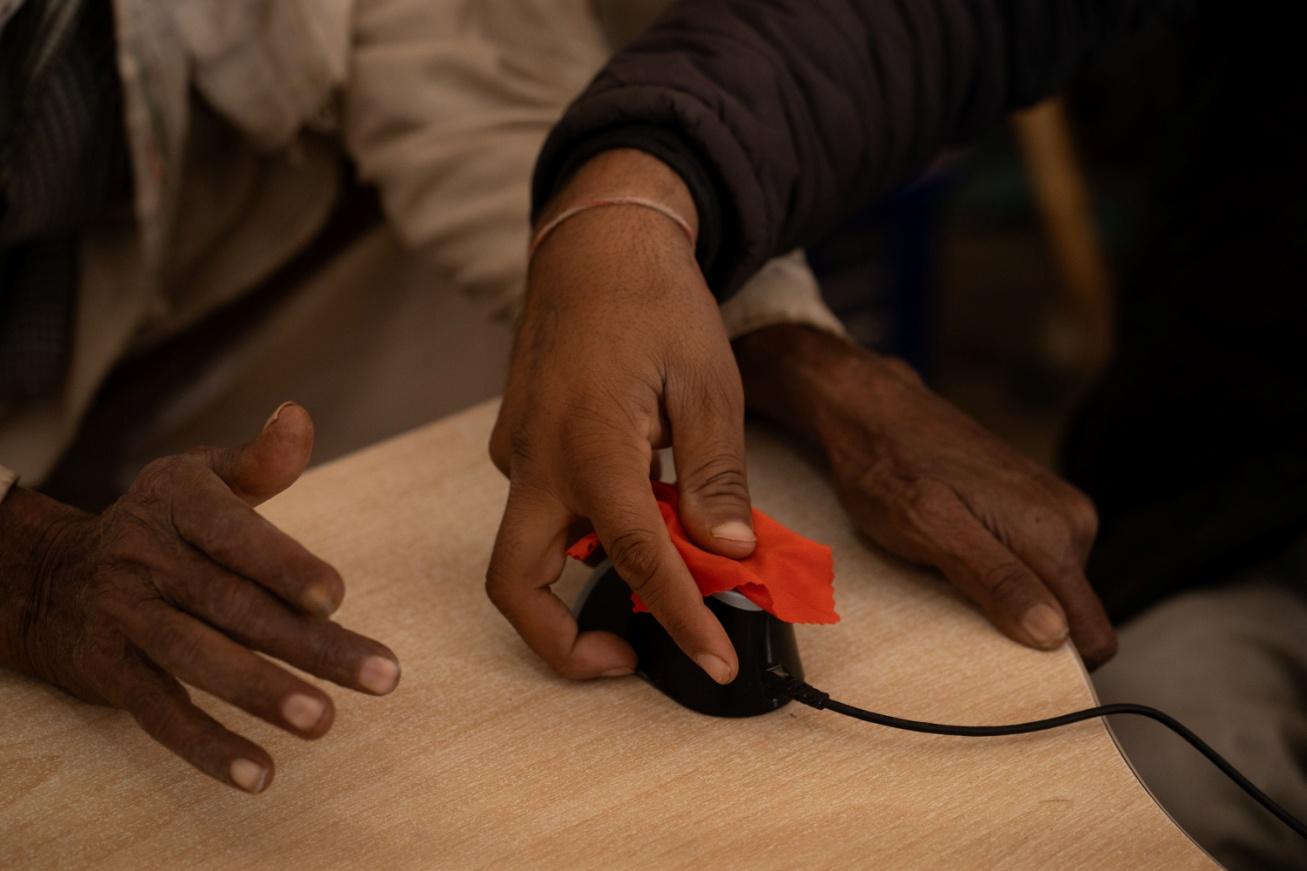
His center functions as more than a transactional service point-it serves as a confidence-building space where differently-abled individuals feel understood and represented. Kamlesh’s personal journey creates peer credibility, enabling him to share stories of successful scheme access and inspire others facing similar barriers. This representational dimension proves particularly significant in contexts where differently-abled persons often experience social isolation and limited visibility in public entrepreneurship.
By simultaneously serving as a general community kiosk and specialized disability support center, Kamlesh’s model demonstrates how inclusive entrepreneurship can address both universal digital access needs and targeted interventions for specific vulnerable populations. His success challenges prevailing assumptions about who can lead digital transformation initiatives, proving that marginalized community members can effectively serve as digital intermediaries when provided appropriate support and infrastructure.
E-Mitra Platform and Digital Sathark
The E-Mitra platform, implemented by Rajasthan’s government, serves as the technological backbone enabling comprehensive service delivery. This integrated digital architecture provides unified access to diverse government schemes and administrative services. The complementary Digital Sathark initiative enhances citizen awareness and digital literacy, ensuring communities can effectively navigate available resources and government provisions.
Soochnapreneur centers are strategically connected to various government scheme websites and portals through the Mera App, which serves as a one-stop digital platform that consolidates information on a wide range of central and state government schemes. Through this app, a Soochnapreneur sitting in a rural community center can access real-time information on schemes related to agriculture, health, education, housing, women’s empowerment, social welfare, and more.
NUH, HARYANA: SMARTPUR INITIATIVE
Investing in the Next Generation
The Smartpur initiative in Nuh district represents a strategic investment in intergenerational digital transformation. Rather than focusing exclusively on immediate service delivery, Smartpur establishes structured training facilities targeting children and youth, cultivating digital competency among the next generation.
Curriculum Design and Pedagogy
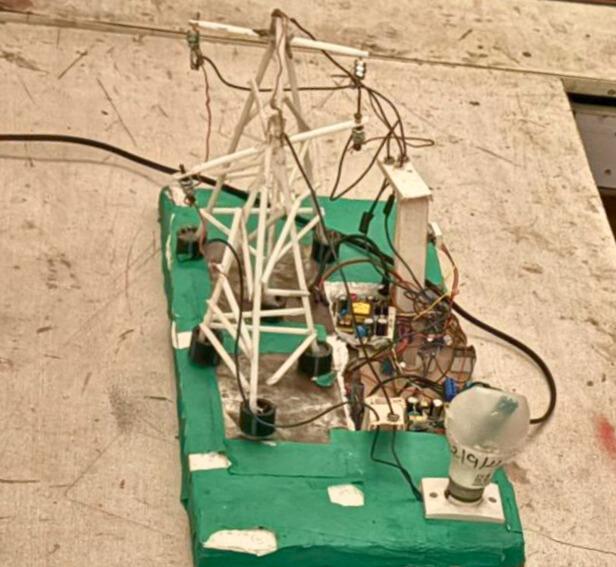
Smartpur implements a comprehensive curriculum, progressively building digital competencies. The syllabus begins with fundamental computer literacy, hardware components, basic operations, keyboard familiarization, before advancing to internet navigation and Google platform utilization. This graduated approach ensures a solid foundational understanding before complex applications.
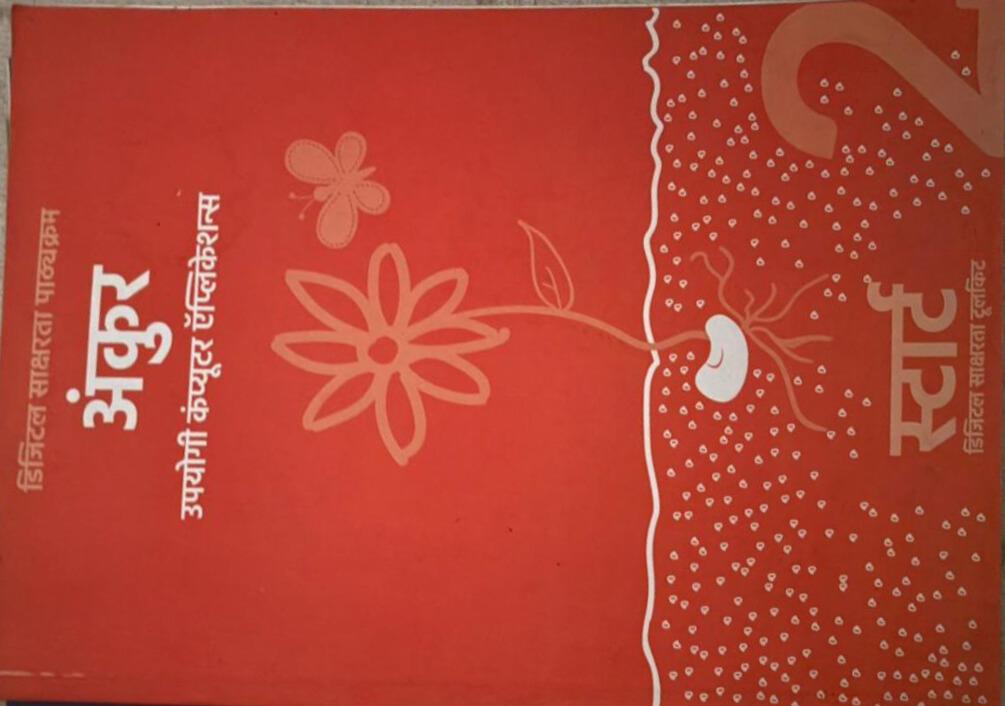
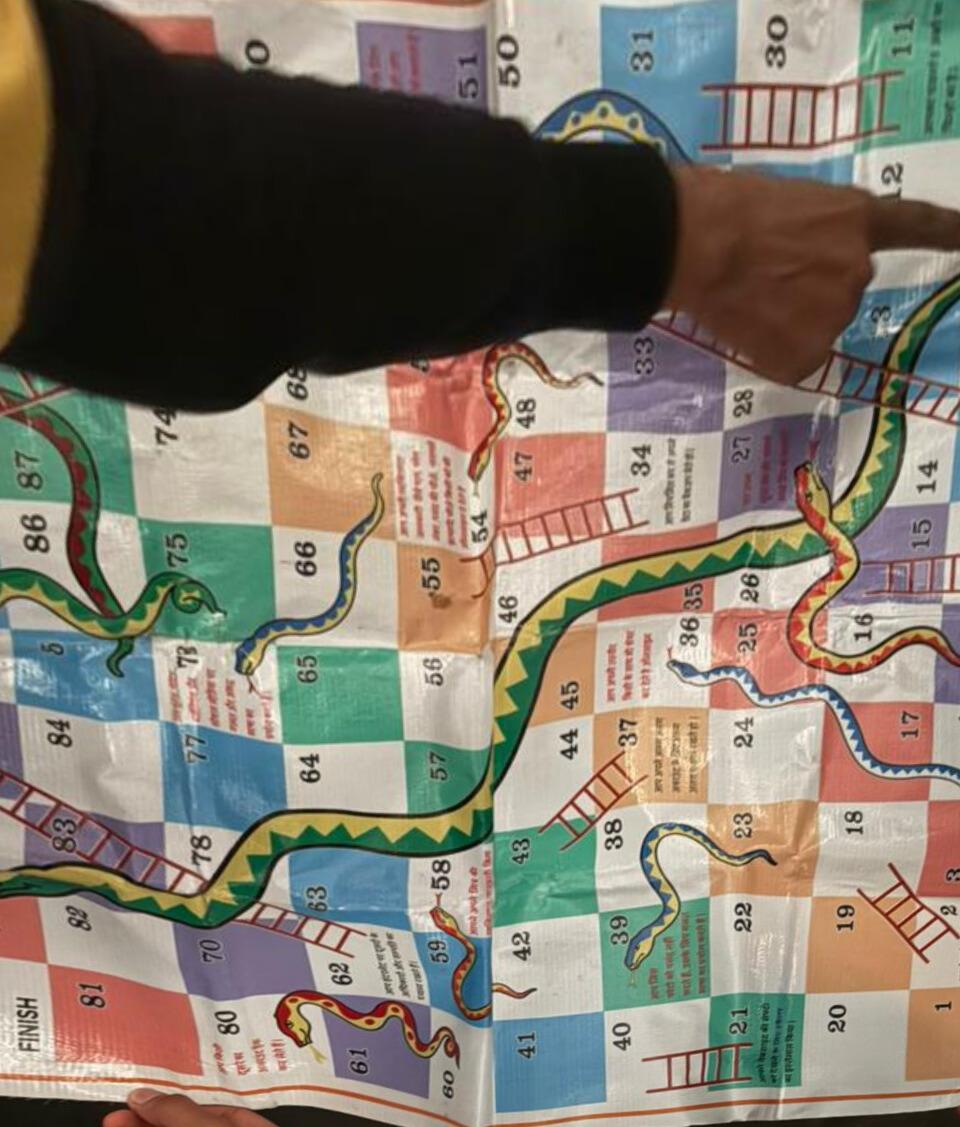
Significantly, the curriculum incorporates innovative, age-appropriate methodologies, including educational mind games, matching exercises, and an ingenious ‘Snakes and Ladders’ module addressing cybersecurity concepts. This gamification transforms abstract digital safety principles into engaging, memorable learning experiences. By embedding critical thinking about online safety within familiar game formats, the program cultivates responsible digital citizenship alongside technical skills.
Community Penetration and Partnerships
Smartpur has achieved remarkable household-level penetration throughout Nuh villages, with services extending to virtually all residences in program areas. This comprehensive reach reflects strategic collaboration with gram panchayats, whose institutional support proves instrumental in community mobilization and program legitimization. Cordial relationships with panchayat leadership facilitate household access, parental consent, and integration of digital literacy within broader village development priorities.
Participants access government schemes through Saral Haryana, the state’s integrated service delivery platform. This exposure to official digital portals during formative years normalizes digital governance interactions and builds familiarity with e-government architectures that will serve them throughout their lives.
Conclusion
These grassroots initiatives reveal that meaningful digital inclusion requires more than technology deployment-it demands community-embedded solutions that address intersecting inequalities simultaneously. The diverse profiles of SoochnaPreneur leaders like Poonam and Kamlesh demonstrate that representational diversity among digital intermediaries builds trust and enhances access to equity. Smartpur’s generational approach complements immediate service delivery, creating sustainable transformation.
Urban India debates AI displacement, while rural India celebrates first-time computer access. Different parts of the nation inhabit different technological centuries. Bridging this divide requires sustained investment in rural digital ecosystems, inclusive entrepreneurial support, and recognition that digital access is fundamentally about human dignity and democratic participation. These documented successes validate community-driven approaches and illuminate pathways toward genuinely inclusive digital futures.
Photographic consent was obtained from all subjects. Methodology: ethnographic observation, non-structured interviews, and photo documentary.
Related posts


