



Founder’s Note
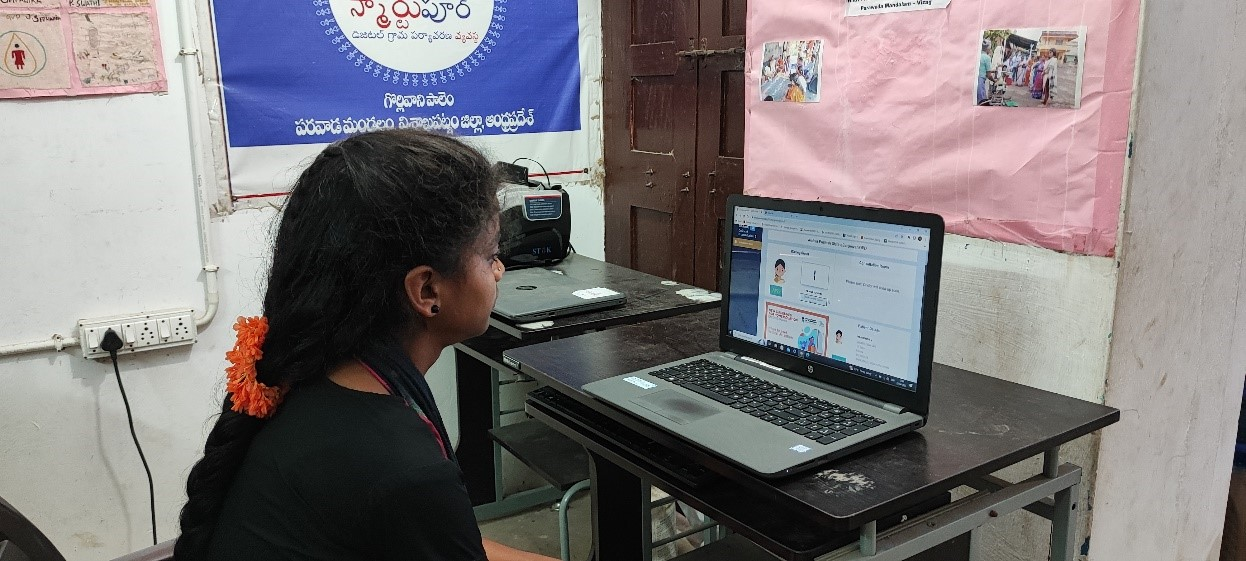
“Digital ecosystem has a huge potential to accommodate healthcare facilities which can enable access to basic medical attention in remote places where enough in-person consultations are hard to find. Especially in India, this can prove to be a boon as a vast majority of the rural population struggle to get medical help and often leads to negligence.”
Healthcare is one of India’s primary needs, and despite significant efforts in this sector, it remains a challenge and concern for our developing nation. Smartpur operates on five pillars: governance, finance, education, livelihood, and health. With a special emphasis on health, it provides both online and offline health consultations and services. Across six locations—Tijara, Ghazipur, Kollegal, Chirala, Choutuppal, and Vizag—numerous health camps have been conducted to offer the community basic consultations and health checkups.
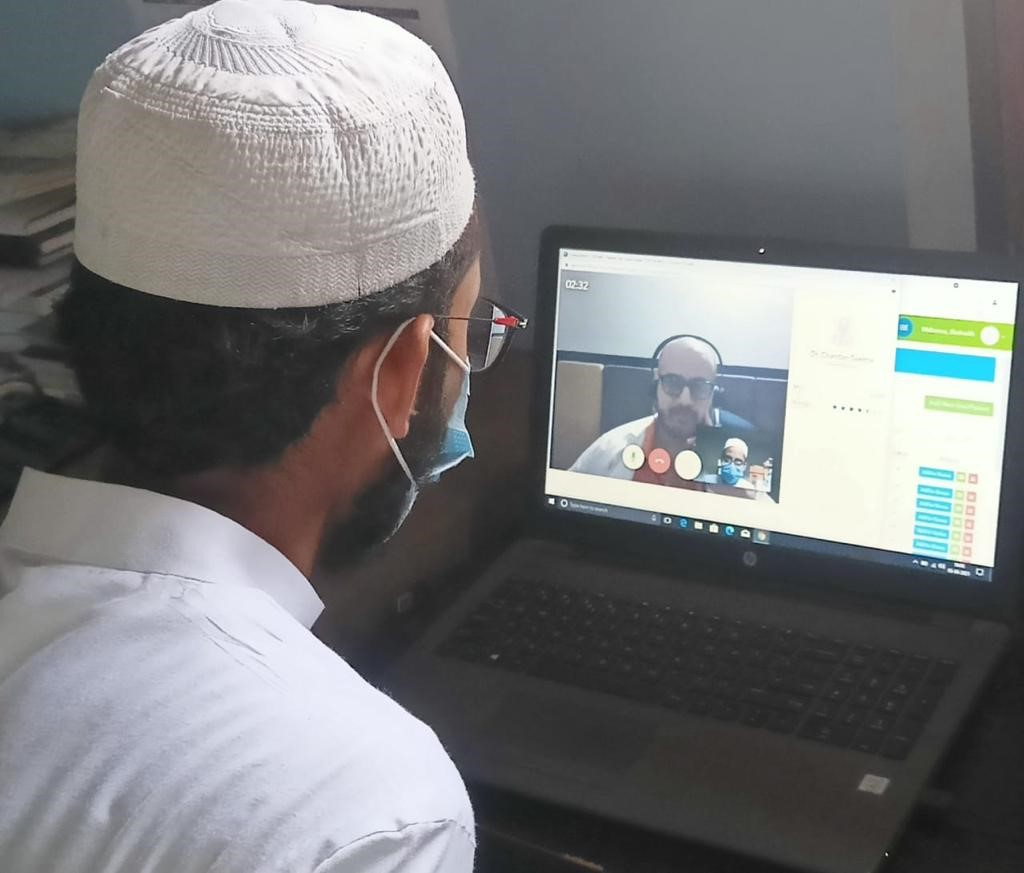
The Internet reaching rural India has made the use of telemedicine possible. During the first and second wave of COVID-19, the Smartpur team in various locations used DocOnline for the consultation by using the internet provided by the Smartpur hub and spoke centres. Keeping in view the same practice and its advantages for the rural setup, currently, many locations are using E-sanjeevni. E-sanjeevni, a National Teleconsultation Service of the Ministry of Health and Family Welfare is the first of its kind online OPD service offered by a country’s government to its citizens. National Teleconsultation Service aims to provide healthcare services to patients in their homes. Safe & structured video-based clinical consultations between a doctor in a hospital and a patient at his/her home are being enabled.
Ranjitha (name changed) from Vizag shares her experience: “The Smartpur HealthPrenuer is always available at the hub and spoke center to initiate telemedicine consultations through E-sanjeevni. I come here for telemedicine, and the doctor has always provided me with the best prescriptions. This initiative has significantly improved conditions in rural India.”
Related posts


